
Choosing the right place for an older loved one is one of the most meaningful decisions a family can make.
For many people searching for “senior living facilities,” the terminology alone can be confusing. The word facility traditionally evokes images of clinical settings, nursing homes, and environments focused on medical care. But senior living has changed.
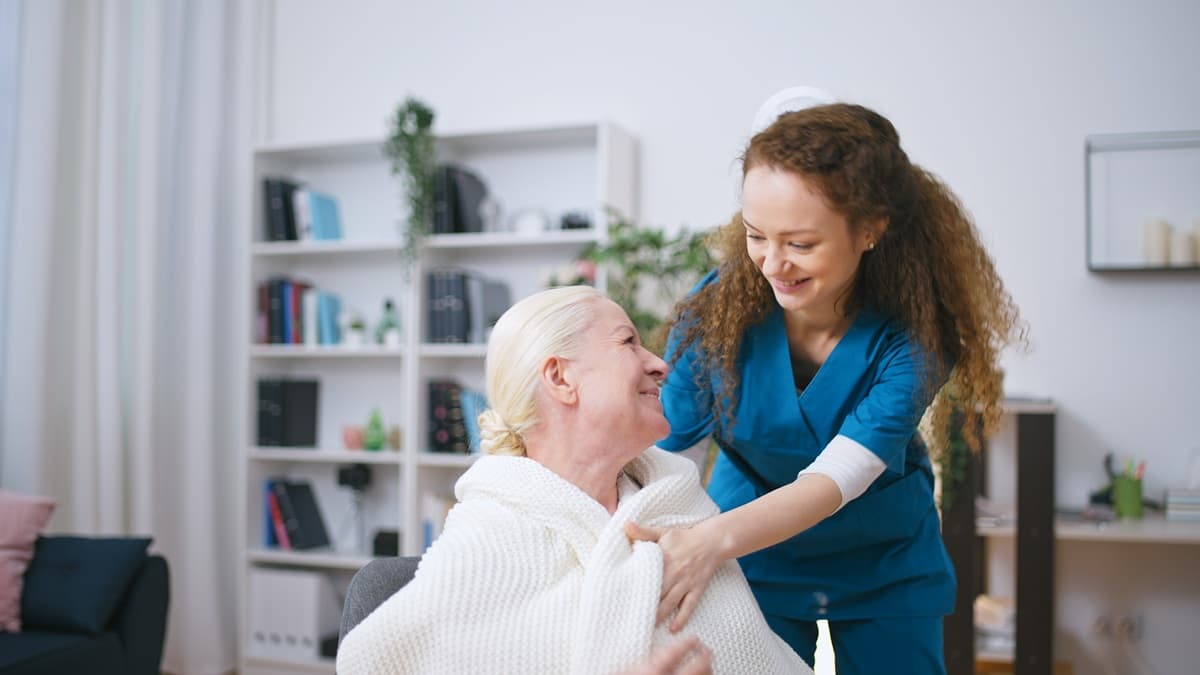
Today’s options include vibrant, lifestyle-focused communities where independence, dignity, and personalized support are woven into everyday life.
For families exploring options near Buda, Texas, understanding the differences between facility and community is key to ensuring the best possible fit for each individual’s needs. At The Gardens of Buda, this distinction is clear: residents enjoy the comforts of home, meaningful engagement, and supportive services designed around their lives, not just their medical needs.
The Traditional Meaning of “Senior Living Facilities”
Historically, the term facilities, when paired with senior living, often referred to settings with a heavy emphasis on clinical care. In many cases, these facilities were built around medical needs rather than lifestyle preferences. Nursing homes and long-term hospitalization units are primary examples of this older model.
Traditional senior living facilities have focused heavily on medical oversight. They tend to be task-oriented, with day-to-day life structured around schedules of medication, therapy, and clinical routines. While these long-term care environments — sometimes referred to in searches like, “what is a long-term care facility?” or “long-term care community”— are essential for individuals with intensive medical needs, they may feel institutional to those seeking a more independent, social, and personal experience.
For families evaluating a loved one’s future, this definition matters because it highlights the difference between care that meets medical necessity and care that supports overall quality of life.
Long-Term Care Facilities: Who They Serve and Why They Matter
When people ask, “What is a long-term care facility?”, they often refer to environments that provide chronic health management, round-the-clock medical monitoring, and hands-on nursing care. These facilities are indispensable for individuals who require intensive support due to severe mobility limitations, complex medical conditions, or advanced cognitive decline.
In a traditional long-term care facility:
- Medical staff lead care plans and medication routines.
- Daily life is often structured around clinical needs.
- The environment may feel more medical than residential.
These services are critically important for some seniors. However, they represent only a part of the broader landscape of aging support.
The Modern Meaning of “Senior Living Community”
In contrast to the older conception of a senior living facility, a senior living community, like The Gardens of Buda, focuses on life beyond medical needs. Today’s communities are designed to promote personal choice, social engagement, independence, and meaningful activities that align with each resident’s preferences.
Senior living and care facilities, in this modern sense, provide:
- Comfortable private or semi-private apartments.
- Home-style dining experiences.
- Scheduled transportation for appointments and outings.
- Wellness programs that support strength and mobility.
- Social activities, clubs, and community events.
While supportive services are available when needed, they are delivered in ways that encourage active living. Residents can build routines that include purposeful activities, friendships, and daily rhythms that reflect their personal values rather than clinical demands.
Understanding Key Differences
When families compare senior living facility models with lifestyle-focused communities, several key differences emerge:
Purpose and Atmosphere:
Traditional senior living facilities are often centered on medical care and supervision. Modern communities center on prospering through promoting engagement, comfort, and opportunities for connection.
Daily Experience:
In a traditional facility, life may be organized around schedules driven by clinical needs. In a community like The Gardens of Buda, residents have a choice in daily routines, creative activities, social opportunities, and wellness programs.
Environment:
Long-term care facilities can feel institutional due to their emphasis on clinical oversight. Senior living communities like ours are designed to feel residential, warm, and inviting, just like home.
Level of Support:
While both models provide support, the emphasis differs. Traditional facilities focus on medically necessary support, while senior living communities provide assistance that supports independence and daily living with dignity.
Where These Terms Overlap
Although the word facility carries more clinical connotations, it’s important to recognize that both traditional facilities and modern communities share common goals: safety, support, and quality of life. Regardless of the setting, both strive to help seniors live as comfortably and securely as possible.
For example:
- Both traditional facilities and senior living communities may offer assistance with daily activities.
- Both provide trained staff who care about the residents’ well-being.
- Both are designed to support older adults at various stages of aging.
The difference lies not in the desire to help, but in how support is delivered and in the environment in which it occurs.
Why Community Matters for Today’s Seniors
More and more, families are recognizing that the word community reflects a fuller experience of aging well. A community emphasizes connection — between residents, staff, and the world around them. It recognizes that people flourish when they are encouraged to maintain independence, pursue interests, and build relationships.
At The Gardens of Buda:
- Residents enjoy thoughtfully designed spaces that feel like home.
- Dining is an experience, not a schedule.
- Activities support physical, cognitive, and social engagement.
- Supportive services are available with dignity and personalization.
In this setting, residents can plan their days around things they enjoy — whether that’s a morning walk, a social gathering, a creative class, or a quiet afternoon with a book. The community model supports thriving, not just functioning.
What Families Should Ask When Comparing Options
When evaluating options, one might ask:
- Does the setting feel comfortable or clinical?
- Are activities and social engagement emphasized?
- Is support integrated into daily life, or does it drive the schedule?
- How much input does a resident have in daily routines?
- Are there opportunities to foster friendships and meaningful engagement?
These questions help distinguish between a model driven by care requirements and one driven by quality-of-life goals.
The Gardens of Buda: A Community Built Around Life, Not Labels
For families and seniors in the Buda area, choosing a place to live should be about how life feels, not just what services are available. The Gardens of Buda offers a warm, lifestyle-focused environment where support is personalized, autonomy is respected, and engagement is encouraged.
Residents enjoy:
- Comfortable living spaces designed for independence.
- A calendar of social, educational, and wellness programs.
- Dining that brings people together.
- Transportation and support for appointments and outings.
- A community built around shared experiences and mutual respect.
This is the essence of a senior living community that supports each resident’s journey with dignity, purpose, and joy.
Understanding the difference between senior living facilities and senior living communities matters because language influences perception. A facility evokes a more clinical feeling. A community evokes connection, choice, and opportunity.
For many seniors and families, the shift from facility-based thinking to community-centered living opens the door to a richer, more fulfilling later life. It helps emphasize what matters most: comfort, dignity, independence, and meaningful engagement.
At The Gardens of Buda, this philosophy guides every aspect of life, from the way meals are shared to how support is offered. Our community goal isn’t merely to meet needs; it’s to help seniors live well in a place that feels like home.